
The key to understanding the post-millennialist is one word: sustainability.
The reason is simple: current trends are unsustainable, or seem to be. We have never before had the means to view an entire century and the effect is extraordinary.
One hundred years of film - still and moving - has charted almost every detail of our lives. We began with horses and carts and ended with people living in space. We began with books of paper and card and ended up with cyber-reality.
Can we survive another hundred years of increasingly rapid change? What about another thousand years? Could this be the last millennium?
Economic growth is at the centre of every government strategy, yet in the third millennium expect that economic growth as a goal will be increasingly questioned. Growth means more things, greater wealth, but does it mean greater happiness?
If quality of life means being happy and fulfilled, what is the secret of it all?
Since multimillionaires show little or no sign of being any happier than lesser mortals this is a fundamental question.
Expect attitudes to change. They are bound to, since the premise on which this whole edifice is based is so flimsy and irrational.
You may be an optimist or a pessimist.
The future is uncertain and many possibilities are alarming, but I am an optimist: convinced by the potential of science, medicine and technology, and the capacity of human beings to build a better kind of world. But the way ahead will not be easy, beset with moral challenges, economic and geopolitical instability, together with resource limitations.
Patrick Dixon is author of 16 books, including Futurewise and Sustainagility.
See also: Happynomics
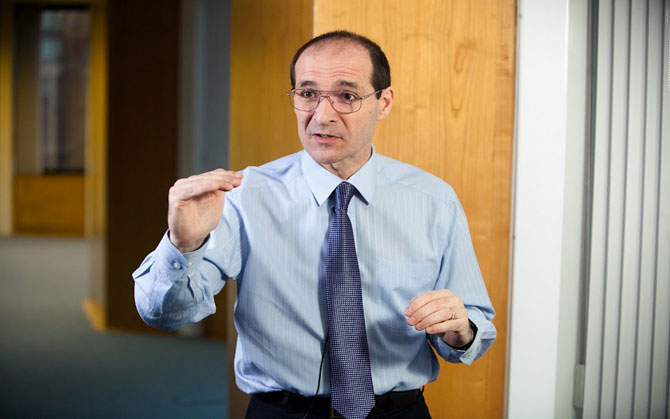
Futurist keynote speaker and author of 19 books. Thirty years forecasting global trends for more than 400 clients, in every industry.
Join the debate
0 commentsWhat are your own views? Comments are moderated before they appear.