
AI-Robot Surgeons will soon be operating themselves (not just as servo-arms of human beings) - and within 10 years will be carrying out major procedures independently.
30 million hours of robotic operations have already been carried out.
20% of all ops in UK are robot-assisted already - expect 95% by 2035
This is shocking to most people.
Just a small part of the huge AI revolution taking place across health care, which will save 10 million lives a year by 2035.
How robotic surgery is enhancing patient care
- 25% reduction in operative time
- 30% decrease in intraoperative complications
- 40% increase in surgical precision
- 15% shorter recovery time
- 20% higher surgeon workflow
- 10% cut in healthcare costs
Short payback period on cost of robots in operating theatres
While such robots typically cost around £1.5m, if they are used 300 times a year, they already pay for themselves due to the above.
But techno-costs are falling fast. And at the same time we can expect new financing deals on a Pay-As-You-Operate basis - no upfront costs apart from training.
Robotic surgery is already growing at astonishing speed - get ready for lift-off, especially with these new financing methods.
12 million operations assisted by robots already - growing 1.5 million a year
- 60,000 surgeons trained
- 6,000 robots in operating theatres globally
Robots in operating theatres today are servo-assistants rather than AI-driven
Operating "robots" today are essentially servo-assisted devices, enabling human surgeons to work more safely, rapidly and efficiently, using tiny incisions and endoscopic tools which look like knitting needles.
- 2.5 hours of new video recorded per operation (with all movements)
- 30 million hours of video already available to train AI
- 4 million more hours video per year
A stage further will be to allow AI to begin to manipulate the endoscopic arms itself, with the surgeon just looking on.
We can train AI with all the video of previous operations
During my keynote I asked several hundred UK surgeons if they thought that AI would be able soon to sew up an abdominal incision, or to stitch to ends of an artery together - unaided.
I carried out straw polls (hands in the air voting) on the following:
- Removal of a small lipoma
- Closure of abdomen
- Sewing two ends of artery
- Cataract surgery
- Umbilical hernia
- Stent insertion coronary artery
- Benign prostate aquablation
Over a third of surgeons now hink that AI-robots will be carrying out many such procedures on a routine basis within a decade or two - with surgeon present but not interfering in most cases.
Medico-legal liability for mistakes by AI robot surgeons
If AI-robotics is proven safe and consistent with superb clinical outcomes, compared to above average surgeons, for some procedures, there will be added pressures to hand over, not to interfere, with risk of being sued for malpractice if a surgeon does so and something "goes wrong".
All this will in the longer term create profound challenges for training as well as supervision.
* Futurist Keynote for The Royal College of Surgeons of England Future of Surgery Festival.
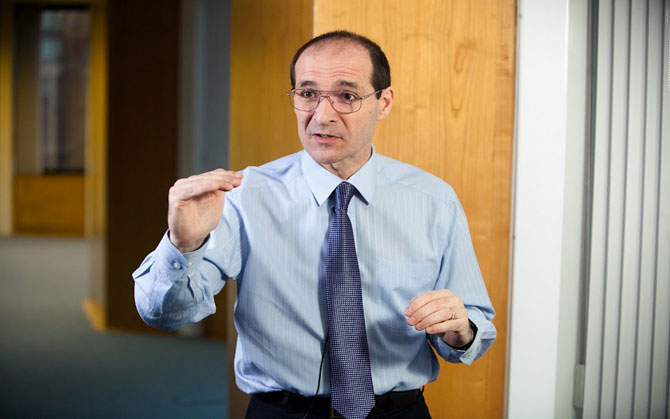
Futurist keynote speaker and author of 19 books. Thirty years forecasting global trends for more than 400 clients, in every industry.
Join the debate
0 commentsWhat are your own views? Comments are moderated before they appear.