
What will be the longer term impact of COVID on the future of health care? People often say to me that the answer to new viral pandemics is to develop vaccines. This is clearly nonsense since it takes months to develop a vaccine, months more to test, years to vaccinate the world at vast cost, and the vaccine itself may not produce long term immunity, or may be overtaken by new mutations.
That is why for two decades now I have been warning of the need to develop next-generation antivirals.
We still don't have a single antiviral today that is as powerful and effective as penicillin was against bacteria when first discovered over 80 years ago.
But one benefit of vaccines is buying us time to learn about new viruses so we can reduce death rates with better therapy.
* "How AI Will Change Your Life - A Futurist's Guide to a Super-Smart World" - Patrick Dixon's latest book on AI is published in September 2024 by Profile Books. It contains 38 chapters on the impact of AI across different industries, government and our wider world, including impact of AI on future of health care.
What we have learned about treating COVID-19Research falls mainly into three areas: antivirals, immune modulators and drugs to prevent blood clotting. Here are some examples - this area of medical research is growing at astonishing speed.
Thousands of clinical trials are under way, many reporting some early findings that are promising but yet to be proven in impact or safety.
Aspirin
Low dose (75mg) seems to reduces the risk by over 40% of someone with COVID-19 being admitted to hospital or going on a ventilator. Aspirin helps prevent widespread clotting of small blood vessels which is a common complication. Published research in Anaesthesia and Analgesia 17 March 2021.
Dexamethasone
It's been estimated that by March 2021, over a million lives had been saved in intensive care units of people very sick with COVID-19. Dexamethasone dampens down the immune response which can go into overdrive in the second week or beyond, after the first phase of infection ends. NHS UK announcement 23 March 2021.
Tocilizumab
Saves an extra 1 in 25 people who are given dexamethasone for severe COVID-19 illness. RECOVERY trial in UK - preliminary results announced 11 February 2021.
Budesonide
Pulmicort, manufactured by AstraZeneca for asthma patients - appears to reduce risk of ending up in hospital by 90% if you become infected by COVID-19. Oxford University research - preliminary results announced 9 February 2021
EXO-C24
Experimental Phase 1 clinical trial drug - Israel research - suggests that 95% of patients are cured of COVID-19 inn a few days. Exosomes are packed with CD24 particles which are inhaled straight into the lungs where they damp down cytokine storms (immune over-reaction). Preliminary annoucement 8 February 2021.
Drugs being investigated include:
Antivirals
Remdesivir
Chloroquine/hydroxychloroquine
Lopinavir/ritonavir combination
Favipiravir
Umifenovir
Ribavirin
EIDD-2801
Niclosamide
Oseltamivir
Ivermectin
Immune modulators
Dexamethasone
Hydrocortisone
Convalescent plasma
Budesonide (inhaled)
AZD7442
Azithromycin
Doxycycline
Interferons
Tocilizumab
Sarilumab
Canakinumab
Anakinra
Baricitinib
Ruxolitinib
Acalabrutinib
Brensocatib
Ravulizumab
Gemtuzumab ozogamicin
Namilumab
Infliximab
Adalimumab
Otilimab
Medi3506
Antiviral antibody cocktail
Leronlimab
LY-CoV555
LY-CoV016
Risankizumab
Lenzilumab
IMU-838
Other or multiple mechanisms
Colchicine
Dimethyl fumarate
Angiotensin-converting-enzyme inhibitors/angiotensin II receptor blockers
Statins
Aspirin
Clopidogrel
Anticoagulants
Bemcentinib
Omeprazole
Famotidine
Zilucoplan
Ascorbic acid/vitamin C
Vitamin D3
Aviptadil
Opaganib
Tradipitant
AZD1656
Nitric oxide
Razuprotafib
Fluvoxamine
Proxalutamide
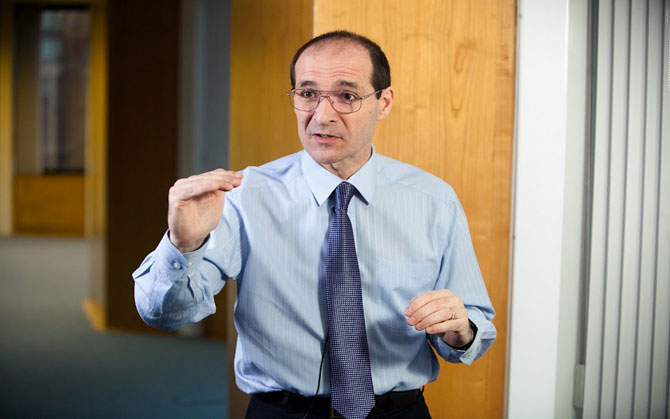
Futurist keynote speaker and author of 19 books. Thirty years forecasting global trends for more than 400 clients, in every industry.
Join the debate
0 commentsWhat are your own views? Comments are moderated before they appear.